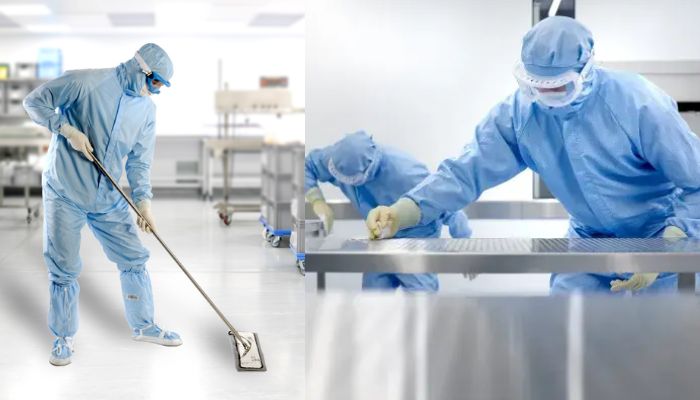
Cleanrooms are critical environments used in industries such as pharmaceuticals, biotechnology, electronics, aerospace, and medical device manufacturing. Their purpose is to control airborne particles, contaminants, temperature, and humidity to ensure products are manufactured in highly controlled conditions. However, maintaining the integrity of a cleanroom requires more than just building it to specification—it demands consistent, methodical maintenance and cleaning practices.
Without proper cleaning protocols, even the most advanced cleanroom can quickly fail to meet industry standards, leading to compromised product quality, regulatory issues, and financial losses. This is why cleanroom maintenance and cleaning are at the heart of operational excellence.
Why Cleanroom Maintenance is Essential
Unlike standard workspaces, cleanrooms are designed to meet specific cleanliness classifications as defined by standards such as ISO 14644-1 or Federal Standard 209E. These classifications specify allowable particle counts for different cleanroom classes. Even minor deviations in cleanliness can jeopardize production quality.
Key reasons cleanroom maintenance is vital include:
- Product Quality: Contaminants such as dust, fibers, microbes, and chemical vapors can affect manufacturing outcomes, especially in microelectronics and pharmaceuticals.
- Compliance: Regulatory bodies like the FDA or EMA require documented cleaning and maintenance schedules to ensure product safety.
- Operational Efficiency: Well-maintained cleanrooms reduce downtime caused by equipment contamination or environmental breaches.
- Safety: In industries dealing with biohazards or chemicals, cleanroom maintenance protects both employees and the public from exposure.
Core Principles of Cleanroom Cleaning
1. Controlled Cleaning Methods
Cleaning in a cleanroom is not the same as cleaning in a typical environment. Standard cleaning products, equipment, and methods can introduce more contaminants than they remove. Specialized, non-shedding cleaning materials and techniques are essential to preserve cleanroom integrity.
Best practices include:
- Using lint-free, non-particulating wipes and mops
- Employing HEPA-filtered vacuum systems
- Following unidirectional wiping motions to avoid recontamination
2. Proper Personnel Training
Even the best cleaning equipment will fail if the cleaning crew is not trained in cleanroom protocols. Personnel must understand gowning procedures, contamination control, and the correct sequence for cleaning different zones.
3. Defined Cleaning Frequencies
Cleaning schedules should be tailored to the cleanroom’s classification and operational load. For example, an ISO Class 5 cleanroom will require more frequent cleaning than an ISO Class 8 environment. Critical areas may require multiple cleanings per shift, while non-critical zones may only need daily or weekly cleaning.
Steps in Effective Cleanroom Cleaning
Step 1: Preparation
Before cleaning begins, personnel should don the correct cleanroom garments, including coveralls, gloves, masks, and shoe covers. Cleaning tools and solutions should be prepared and verified as suitable for cleanroom use.
Step 2: Top-to-Bottom Cleaning
Work should proceed from ceilings to walls to floors, ensuring contaminants are not moved into already-cleaned areas.
- Ceilings and Light Fixtures: Wipe surfaces using approved methods to remove dust and particulates.
- Walls and Windows: Clean with lint-free wipes using overlapping strokes.
- Work Surfaces and Equipment: Sanitize high-touch areas frequently, using disinfectants approved for the cleanroom’s industry.
- Floors: Use cleanroom-specific mops with HEPA-filtered vacuums for dry cleaning and non-residue detergents for wet cleaning.
Step 3: Disinfection
In facilities handling biological materials, disinfection is critical. Rotating disinfectants (e.g., alcohol-based and quaternary ammonium solutions) prevents microbial resistance. Contact times specified by the manufacturer must be followed to ensure effectiveness.
Step 4: Final Inspection
Once cleaning is complete, a final inspection ensures no areas are missed and that all surfaces meet the required cleanliness levels. Particle counters and microbial testing may be used for verification.
Cleanroom Maintenance Beyond Cleaning
While cleaning removes contaminants, maintenance ensures the cleanroom’s systems and structures remain intact.
Key maintenance tasks include:
- HEPA/ULPA Filter Checks: Filters should be inspected and replaced per manufacturer recommendations or sooner if efficiency drops.
- HVAC System Monitoring: Proper airflow and pressure differentials are critical to preventing contamination.
- Lighting and Fixture Integrity: Any cracked or broken fixtures can harbor contaminants.
- Surface Repairs: Damaged wall panels, flooring, or ceilings should be repaired immediately to prevent particle shedding.
- Equipment Calibration: Any tools or machinery used inside the cleanroom must be regularly calibrated and cleaned.
Common Challenges in Cleanroom Maintenance
Even with strict protocols, challenges can arise:
- Human Error: Improper gowning or cleaning sequences can reintroduce contaminants.
- Improper Materials: Using non-approved wipes or solutions can shed fibers or leave residues.
- Environmental Breaches: Doors left open, HVAC malfunctions, or improper pressure balancing can cause contamination spikes.
- Overlooked Areas: Corners, behind equipment, or overhead fixtures can accumulate contaminants if not included in cleaning schedules.
Best Practices for Long-Term Cleanroom Integrity
- Standard Operating Procedures (SOPs): Clearly documented SOPs ensure consistency and provide training reference for staff.
- Regular Audits: Internal and third-party audits help identify weak points in cleaning and maintenance protocols.
- Data Logging: Continuous monitoring of particle counts, temperature, and humidity allows for early detection of deviations.
- Rotation of Disinfectants: Prevents microbial adaptation and maintains disinfection efficacy.
- Invest in Training: Ongoing staff education keeps teams informed about new regulations and techniques.
Conclusion
Cleanroom maintenance and cleaning are not optional—they are mission-critical for industries that depend on controlled environments. By following structured cleaning protocols, using appropriate materials, and investing in regular maintenance, facilities can safeguard product quality, maintain compliance, and protect both workers and end-users.
In the end, a cleanroom is only as effective as the effort put into keeping it clean. With the right strategy, tools, and trained personnel, cleanroom maintenance becomes more than a routine task—it becomes a cornerstone of operational success.