Introduction
In the world of metalworking and manufacturing, precision is everything. Whether producing automotive components, aerospace parts, or custom machinery, every thread must fit perfectly to ensure reliability, safety, and performance. That’s where machine taps come into play.
Machine taps are essential tools used to create internal threads in pre-drilled holes. Unlike hand taps, which rely on manual effort, machine taps are designed for use in powered machinery such as CNC (Computer Numerical Control) machines, lathes, or drilling centers. They deliver consistency, speed, and precision — qualities vital for high-volume industrial production.
This article explores the types, materials, uses, and advantages of machine taps, along with expert insights into selecting the right tap for your application.
What Are Machine Taps?
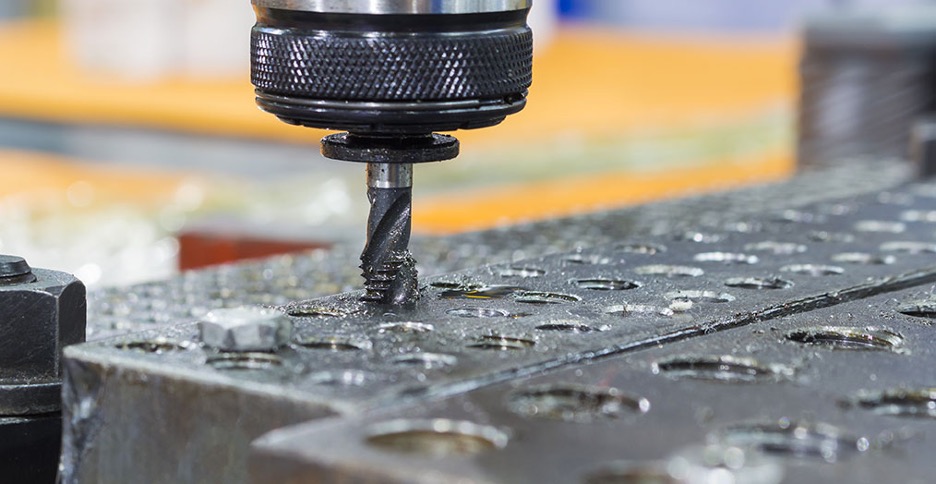
A machine tap is a cutting tool designed to form internal screw threads (female threads) inside a hole. It removes material through a series of cutting edges and flutes while rotating under power from a machine spindle. The result is a precisely formed thread that can accommodate bolts, screws, or other fasteners.
Machine taps differ from hand taps primarily in their geometry and performance. They are engineered for higher cutting speeds, continuous operation, and improved chip evacuation. Because of their efficiency and accuracy, they are the preferred choice in automated production environments.
Types of Machine Taps
Machine taps come in several designs, each tailored for specific materials, hole types, and production requirements. The most common types include:
1. Spiral Point Taps (Gun Taps)
- Designed for through holes (holes that go completely through the material).
- Feature a spiral point that pushes chips forward, away from the cutting edge.
- Ideal for high-speed production because they minimize clogging and reduce torque.
- Commonly used for materials like carbon steel, aluminum, and brass.
2. Spiral Flute Taps
- Best suited for blind holes (holes that do not pass completely through the material).
- Feature helical flutes that lift chips upward and out of the hole.
- Reduce the risk of chip packing, making them ideal for softer materials or those that produce long, stringy chips (e.g., stainless steel, aluminum).
3. Straight Flute Taps
- The most traditional design, used for both through and blind holes in various materials.
- Suitable for hand or machine tapping, though less efficient in chip removal.
- Often used for short-thread holes or materials that produce powdery chips, like cast iron.
4. Forming Taps (Roll Taps)
- Unlike cutting taps, these do not remove material. Instead, they displace material to form threads through cold working.
- Produce stronger, smoother threads with no chips — ideal for high-speed production.
- Commonly used in ductile materials such as aluminum, copper, and mild steel.
Each tap type offers unique benefits, and choosing the right one depends on the hole type, material, and thread specifications.
Materials and Coatings
Machine taps must withstand high mechanical stress, heat, and friction. The performance and lifespan of a tap depend largely on its material and coating.
Common Tap Materials
- High-Speed Steel (HSS):
- The most widely used material for general-purpose tapping.
- Offers a good balance between toughness and cutting performance.
- Suitable for steels, cast iron, and non-ferrous metals.
- Cobalt Steel (HSS-E):
- Contains a higher percentage of cobalt (5–8%) for added heat resistance.
- Ideal for harder materials like stainless steel or titanium alloys.
- Carbide:
- Extremely hard and wear-resistant, designed for high-speed CNC operations.
- Provides superior performance in abrasive or high-volume applications.
- More brittle than HSS, so best used with rigid machine setups.
Tap Coatings
- TiN (Titanium Nitride): Improves hardness, wear resistance, and lubricity. Suitable for general-purpose machining.
- TiCN (Titanium Carbonitride): Enhances performance in tougher materials by reducing friction and heat buildup.
- TiAlN (Titanium Aluminum Nitride): Withstands extreme temperatures and extends tool life in dry machining.
- DLC (Diamond-Like Carbon): Provides superior smoothness and durability, especially for non-ferrous metals.
Choosing the right combination of material and coating ensures consistent thread quality, reduced downtime, and longer tool life.
Applications of Machine Taps
Machine taps are used in nearly every manufacturing sector that involves threaded assemblies. Common applications include:
- Automotive Industry: Engine blocks, transmission parts, and brake systems.
- Aerospace Manufacturing: Precision-threaded components for aircraft engines and frames.
- Machinery and Equipment: Fastener holes in industrial and agricultural machines.
- Electronics and Appliances: Small, precise threads for housing and assembly.
- Construction and Fabrication: Threading steel beams, brackets, and hardware.
Their ability to deliver consistent results makes machine taps indispensable in high-precision and high-production environments.
Advantages of Using Machine Taps
1. Superior Accuracy and Consistency
Machine taps ensure uniform thread dimensions across thousands of parts, a requirement for industries that demand exact tolerances.
2. Increased Productivity
Because machine taps operate at higher speeds and with better chip control, they significantly reduce cycle times compared to manual tapping.
3. Enhanced Thread Quality
Properly selected and maintained machine taps produce clean, smooth threads with minimal burrs, ensuring better fits and stronger connections.
4. Reduced Operator Fatigue
Automation eliminates manual effort and minimizes human error, improving efficiency and safety on the production floor.
5. Versatility Across Materials
From aluminum to stainless steel, specialized tap designs and coatings make it possible to achieve excellent results across various materials.
6. Cost Efficiency
While machine taps may have a higher initial cost than hand taps, their longevity, speed, and precision result in lower per-part costs over time.
Selecting the Right Machine Tap
Choosing the correct tap requires understanding your specific application. Key factors include:
- Hole Type:
- Through holes → Spiral point taps
- Blind holes → Spiral flute taps
- Material Type:
- Soft, ductile metals → Forming taps
- Hard or abrasive metals → Cobalt or carbide taps with TiAlN coating
- Machine Setup:
- Rigid CNC machines → Carbide or high-speed taps
- Less rigid setups → HSS taps to reduce breakage risk
- Thread Standards:
- Metric (M), UNC/UNF (Unified), BSP, and other international thread systems must match the desired specification.
- Coolant and Lubrication:
- Proper lubrication extends tap life, reduces friction, and prevents chip welding.
- Use cutting oils, mist lubrication, or coolant-through systems depending on machine type.
By matching the right tap to your material, speed, and operation, you ensure long-lasting performance and optimal results.
Maintenance and Best Practices
To get the most from your machine taps, proper maintenance and usage are essential. Here are some expert tips:
- Regular Inspection: Check for wear, chipping, or dull cutting edges. Replace taps before quality declines.
- Correct Speed and Feed Rates: Follow manufacturer recommendations to avoid overheating or premature failure.
- Adequate Lubrication: Always use suitable cutting fluids to reduce friction and heat.
- Proper Alignment: Ensure the tap is precisely aligned with the hole to prevent uneven threads or tool breakage.
- Clean Workpiece and Chips: Remove chips promptly to avoid clogging and maintain clean cutting conditions.
Implementing these practices extends tool life and preserves thread integrity.
The Future of Machine Tapping
As manufacturing evolves, machine tapping continues to advance with innovations in tool design, materials, and automation. CNC machines now integrate adaptive tapping cycles that adjust feed rates dynamically to optimize performance and minimize tool wear.
Meanwhile, emerging coatings and nanocomposite materials promise even greater heat resistance and longevity. As Industry 4.0 technologies like AI and smart tooling become mainstream, machine tapping will become faster, smarter, and more precise than ever before.
Conclusion
Machine taps are indispensable tools for modern manufacturing, combining precision, durability, and efficiency. They play a crucial role in producing high-quality threaded holes that hold machinery and structures together across countless industries.
By choosing the right tap type, material, and coating — and following proper maintenance practices — manufacturers can achieve superior thread quality, maximize productivity, and reduce production costs.
In a world driven by precision and performance, machine taps remain the unsung heroes behind every perfectly threaded connection.